A horticultural business as a pioneer in carbon capture
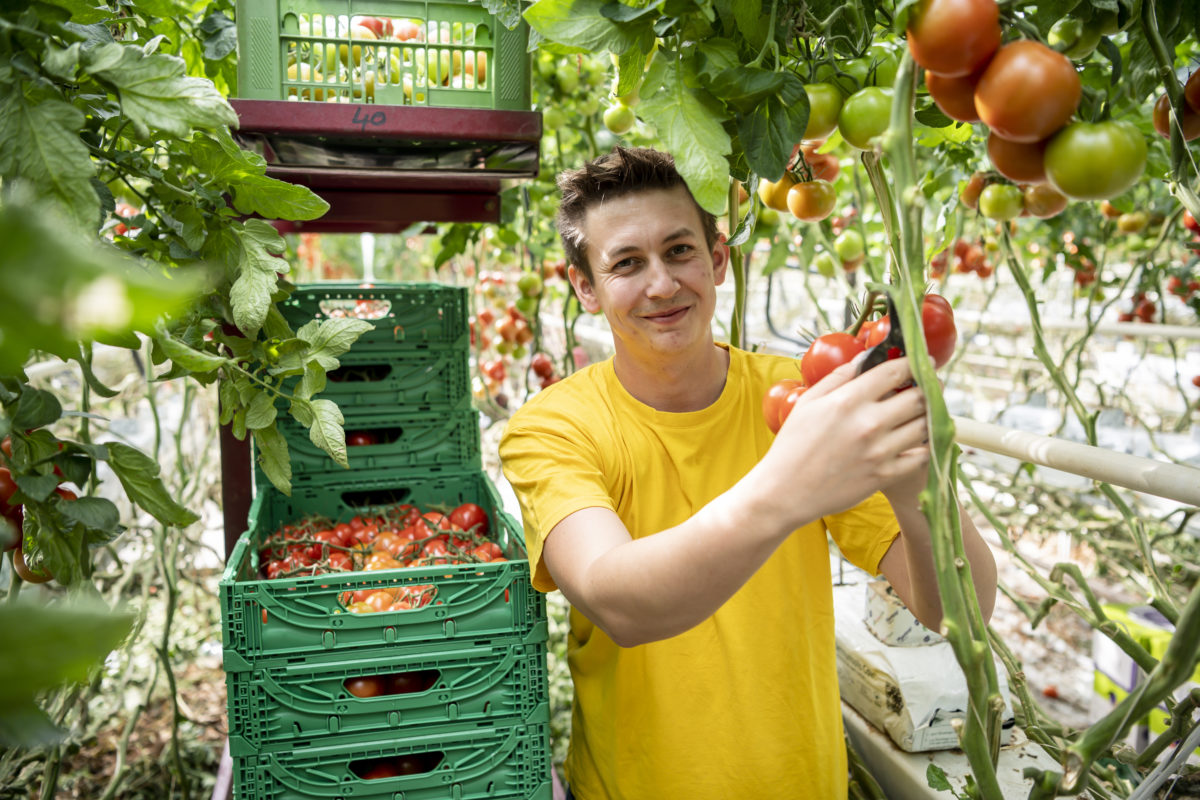
The Merschl family of gardeners has been operating a vegetable farm since 1898. Environmental responsibility and sustainability are top priorities at Merschl Gartenbau and are supported by the sustainability programme of the Vienna Chamber of Agriculture.
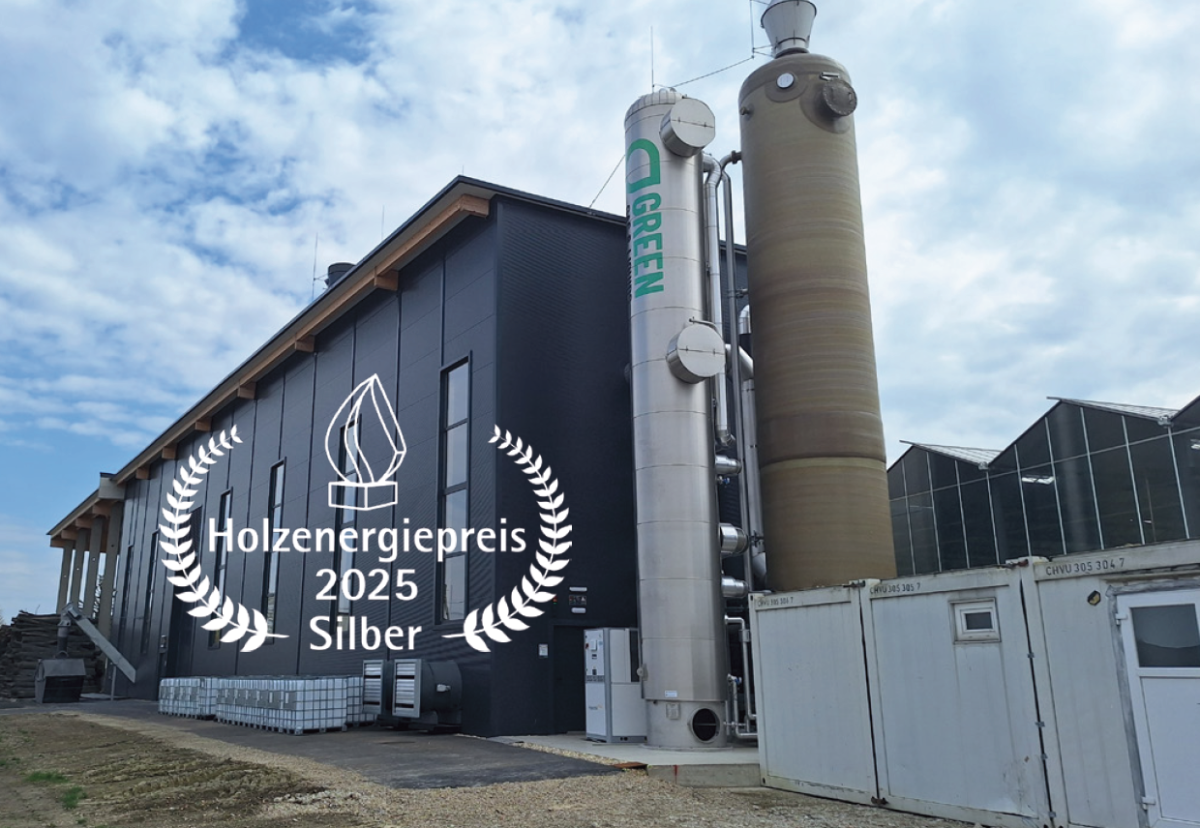
The greenhouses at Merschl Gartenbau require stable temperatures throughout the year. Until now, the indoor climate was maintained conventionally using gas. The new system consists of a wood chip-based heat generator (5 MW) with an integrated, innovative CO2 separation system – the actual Carbon Capture and Utilisation (CCU) plant.
Unlike Carbon Capture and Storage (CCS), where CO2 is permanently stored, the CO2 captured in the process is reused.
The CO2 is transported into the greenhouses via dedicated pipelines and absorbed by the plants, promoting their growth. In this way, negative CO2 is transformed into positive CO2. The Merschl family has installed the first commercial carbon capture and storage plant for horticulture in Austria. This is the unique feature of the CCU plant and represents a milestone for the post-carbon economy. As a result, Merschl Gartenbau has already achieved its 2050 climate target. This innovative approach is expected to save approximately 45,000 tonnes of CO2 over the next ten years.
CO2 capture Technology: The flue gases from the biomass boiler are directed into the “Galloxol system,” which was specially developed for greenhouse horticulture to enable efficient carbon capture. The resulting pure CO2 (99.9%) enhances photosynthesis and increases yields in the greenhouses. Excess CO2 is stored in storage balloons and transported via a fan for further use.
Greenhouse: 7 ha Harvest: 3,000 t/a tomatoes Project costs: €14 million Biomass boiler output: 5 MW Completion: September 2025 Heating cost savings: approx. €34,000/a for natural gas CO2 savings: 4,850 t/a