
Spain
29 November
Biomass district heating gains ground in Spain: warmer homes, lower costs and healthier forests
In 1999, Cuéllar, a small Spanish town surrounded by pine forests, began using local forest biomass to heat homes and public buildings. More than 25 years later, biomass district heating has steadily expanded across Spain.
Biomass is driving this development, with nearly eight out of ten district heating and cooling networks surveyed in Spain in 2025 using it as their main energy source.
In Catalonia, small-scale networks supply renewable heat to schools, nurseries, care homes and municipal facilities. With 284 networks, the region accounts for nearly half of Spain’s biomass district heating installations.
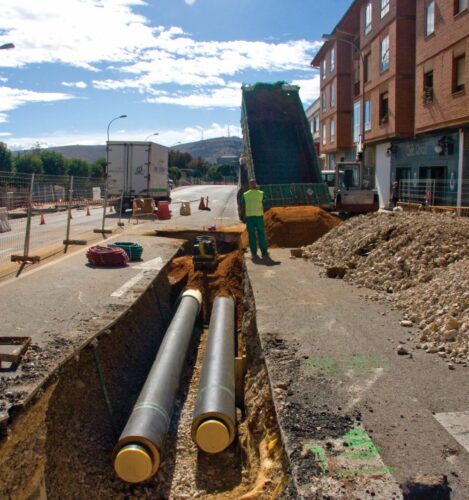
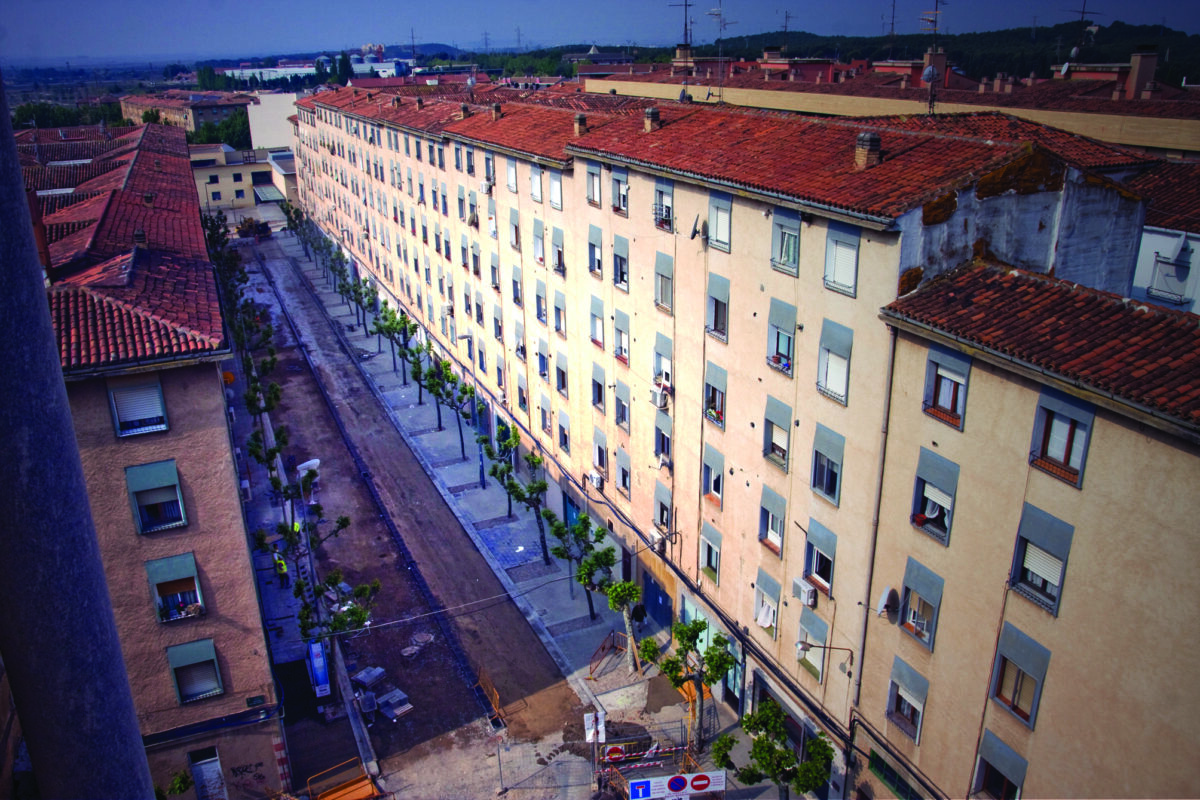
Meanwhile, Castilla y León is leading the development of large urban networks. In Valladolid, biomass district heating has expanded from university buildings and a major hospital to entire residential neighborhoods. Two of Spain’s most significant recent projects are Valladolid Oeste and Zamora, with thermal capacities of 31 and 20 MW respectively.
In southern Spain, small municipalities in Málaga’s Sierra de las Nieves are also turning local forest resources into renewable heat, linking energy production with sustainable forest management and rural development.
According to the latest figures from AVEBIOM, Spain now has 611 biomass-based district heating and cooling networks, supplying over 46,000 homes, with an installed capacity of 624 MW and avoiding an estimated 279,300 tonnes of CO₂ emissions annually.
These networks consume over 260,000 tonnes of biomass every year. In a country facing severe wildfires, large-scale bioenergy can provide a stable market for substantial volumes of biomass from sustainable forest management, helping to finance preventive forestry operations, reduce the accumulation of combustible vegetation and create rural employment.
For residents, connecting to a biomass district heating network means enjoying the comfort of their existing heating systems while reducing their dependence on fossil fuels and exposure to volatile international energy prices.
Beyond heating buildings, these networks create business and employment opportunities in forestry, biomass supply, engineering and energy services.
From a child attending school in a mountain village to a patient recovering in a city hospital, thousands of people in Spain are already benefiting from renewable energy produced closer to home.
Biomass in Spain: the benefits of district heating in urban areas
https://youtu.be/SewoJHurW48?si=cF-JyiOS2LPR8vhu
Forest biomass district heating networks: key allies in the fight against wildfires
https://youtu.be/0y_sRaUkmaM?si=deM5kB1zuP24FH2J

Spain
2026
Bioenergy Day:
29
November